Kimono Hydrangeas: The Perfect Flower For A Japanese Garden
Kimono Hydrangeas: The Perfect Flower for a Japanese Garden
Hydrangeas are a popular ornamental plant in many parts of the world, but they are especially beloved in Japan. There are many different types of hydrangeas, but the Kimono Hydrangea is one of the most popular in Japan.
The Kimono Hydrangea is named for its delicate, cascading flowers that resemble the folds of a traditional Japanese kimono. The flowers come in a variety of colors, including pink, blue, purple, and white. They bloom in the summer and fall, and they can reach heights of up to 3 feet.
Kimono Hydrangeas are a perfect addition to any Japanese garden. They are elegant and graceful, and they add a touch of beauty and tranquility to any space. They are also relatively easy to care for, making them a good choice for even novice gardeners.
Here are some of the reasons why Kimono Hydrangeas are the perfect flower for a Japanese garden:
- They are beautiful and elegant. The delicate, cascading flowers of the Kimono Hydrangea are reminiscent of the folds of a traditional Japanese kimono. They add a touch of beauty and grace to any garden.
- They come in a variety of colors. Kimono Hydrangeas can be found in a variety of colors, including pink, blue, purple, and white. This makes them a versatile plant that can be used to create a variety of different looks in the garden.
- They are relatively easy to care for. Kimono Hydrangeas are not as demanding as some other types of hydrangeas. They prefer full sun to partial shade, and they need well-drained soil. With proper care, Kimono Hydrangeas can thrive for many years.
- They are a symbol of good luck and prosperity. In Japanese culture, hydrangeas are a symbol of good luck and prosperity. This makes them a popular choice for gardens, as they are believed to bring good fortune to the home.
If you are looking for a beautiful and easy-care flower to add to your Japanese garden, the Kimono Hydrangea is a great option. With its delicate flowers and variety of colors, the Kimono Hydrangea is sure to add a touch of beauty and grace to your garden.
Here are some tips for caring for Kimono Hydrangeas:
- Plant Kimono Hydrangeas in full sun to partial shade.
- Water Kimono Hydrangeas regularly, especially during the summer months.
- Fertilize Kimono Hydrangeas in the spring and fall with a balanced fertilizer.
- Prune Kimono Hydrangeas in the spring to remove dead or damaged branches.
With proper care, Kimono Hydrangeas can thrive for many years. They are a beautiful and easy-care flower that is sure to add a touch of beauty and grace to any Japanese garden.
The kimono hydrangea is a beautiful and stunning flower that is native to Japan. It is known for its large, delicate blooms that can be a variety of colors, including pink, blue, and white. The kimono hydrangea is a relatively easy plant to care for, but it does require some specific conditions in order to thrive.
If you are interested in learning more about the kimono hydrangea, I recommend visiting . This website has a wealth of information about the plant, including its history, care requirements, and different varieties. You can also find photos and videos of the kimono hydrangea in bloom.
FAQ of kimono hydrangea
1. What is a kimono hydrangea?
A kimono hydrangea is a type of hydrangea that is known for its beautiful, cascading blooms. The blooms are typically pink, blue, or purple, and they can change color depending on the acidity of the soil. Kimono hydrangeas are relatively easy to care for, and they make a great addition to any garden.
2. How do I care for a kimono hydrangea?
Kimono hydrangeas need full sun to partial shade, and they prefer moist, well-drained soil. They should be watered regularly, especially during the hot summer months. In the fall, after the blooms have faded, you can trim the plant to shape it and remove any dead or damaged branches.
3. What are the most common problems with kimono hydrangeas?
The most common problems with kimono hydrangeas are leaf spot, powdery mildew, and root rot. Leaf spot is a fungal disease that causes small, brown spots on the leaves. Powdery mildew is another fungal disease that causes a white, powdery coating on the leaves. Root rot is a bacterial disease that can kill the plant.
4. How can I prevent problems with my kimono hydrangea?
To prevent problems with your kimono hydrangea, you can:
- Plant it in a location that gets full sun to partial shade.
- Water it regularly, especially during the hot summer months.
- Mulch around the plant to help retain moisture and suppress weeds.
- Fertilize the plant in the spring and fall with a balanced fertilizer.
- Inspect the plant regularly for signs of pests or diseases.
5. How can I propagate a kimono hydrangea?
There are two main ways to propagate a kimono hydrangea: by division and by cuttings.
To propagate by division, you will need to dig up the plant and carefully separate the roots. You can then replant the divisions in a new location.
To propagate by cuttings, you will need to take a cutting from a healthy plant in the spring or summer. The cutting should be about 4 inches long and have at least 3 leaves. You can then plant the cutting in a pot of moist potting soil. The cutting should root in about 4-6 weeks.
Image of kimono hydrangea
- Image 1: A full-blooming kimono hydrangea with pink, blue, and white flowers.
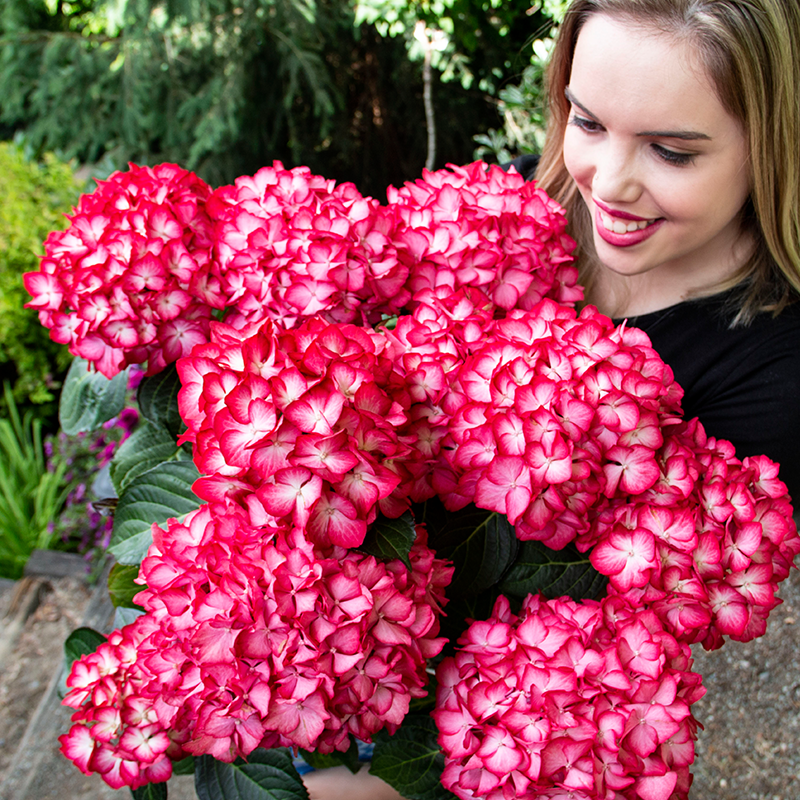
- Image 2: A close-up of a single kimono hydrangea flower with pink petals and blue centers.

- Image 3: A row of kimono hydrangeas in a garden, with their flowers in different shades of pink and blue.
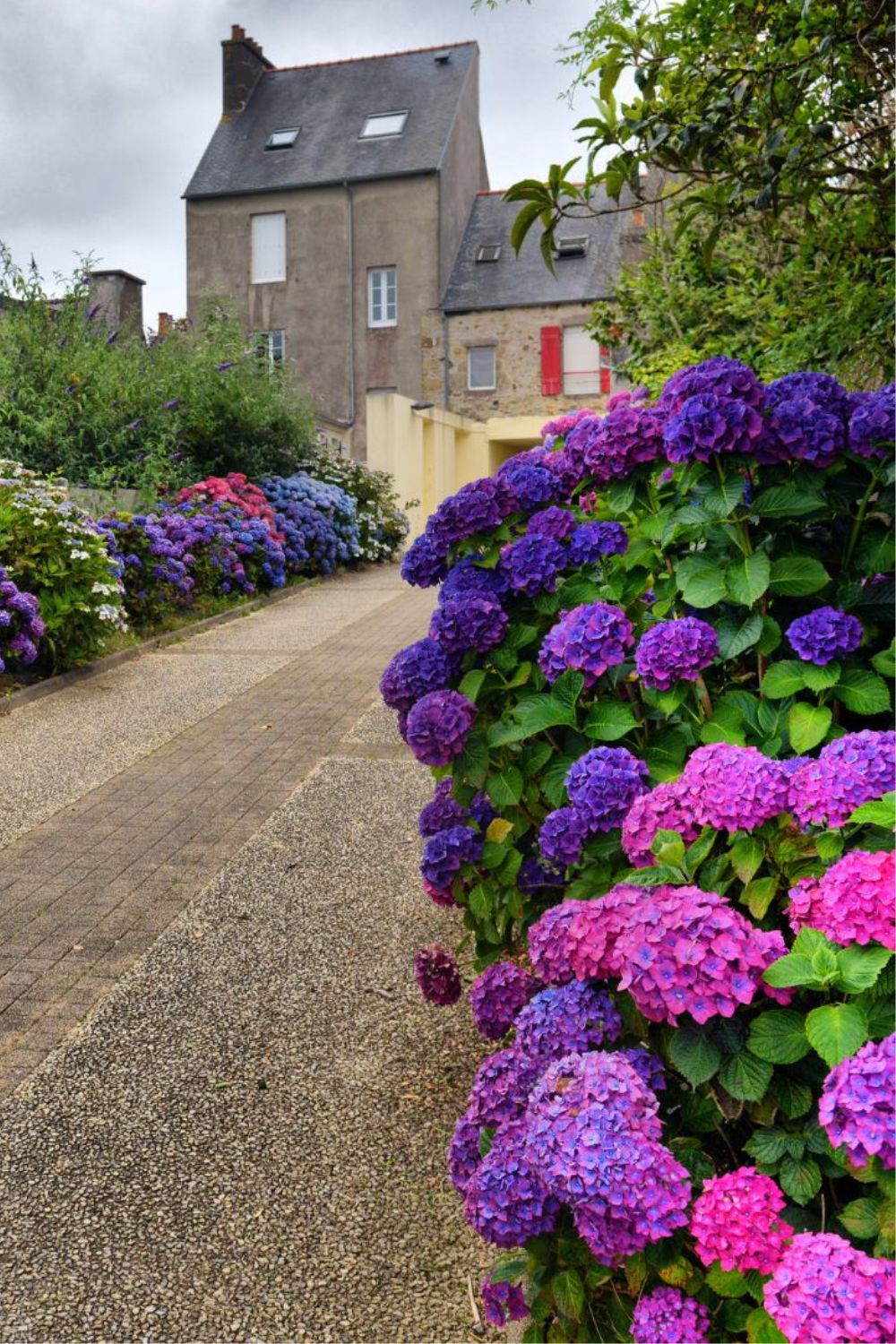
- Image 4: A kimono hydrangea in a pot on a patio, with its flowers cascading over the sides of the pot.

- Image 5: A kimono hydrangea in a vase on a table, with its flowers arranged in a beautiful display.


Post a Comment for "Kimono Hydrangeas: The Perfect Flower For A Japanese Garden"