The Farmers' Almanac Companion Planting Chart: The Ultimate Guide To Growing A Healthy And Productive Garden
Introduction
Companion planting is a gardening practice that involves planting certain plants together to benefit each other. This can be done to improve crop yields, attract beneficial insects, repel pests, or improve soil health.
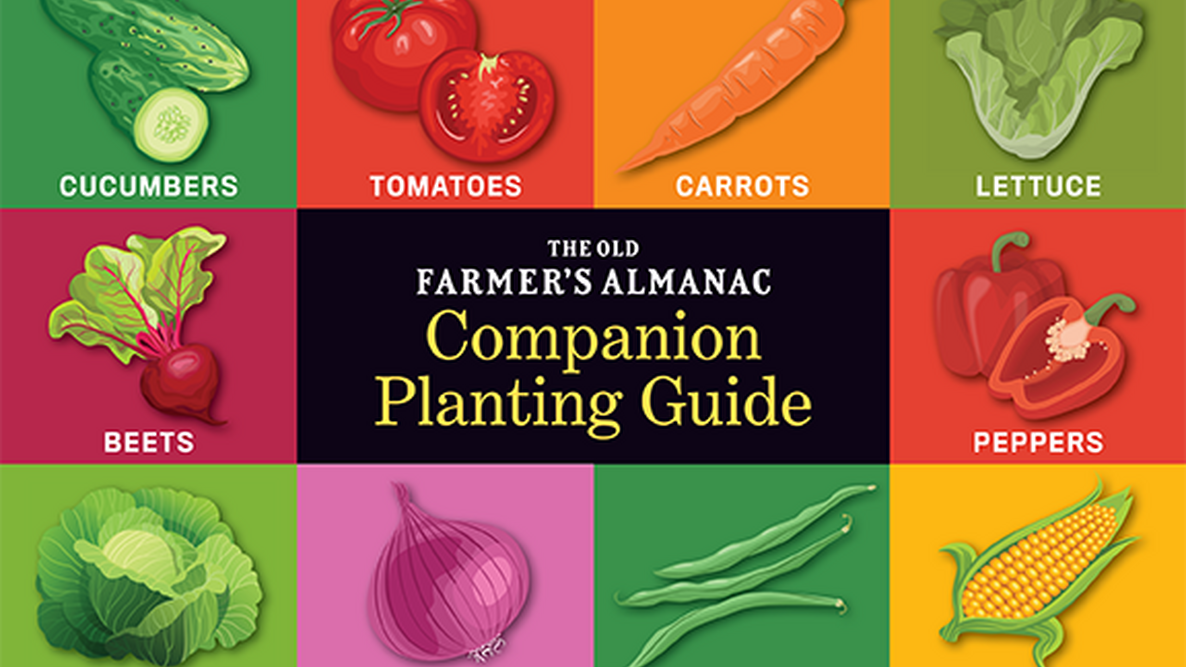
There are many different companion planting charts available, but the Farmers' Almanac Companion Planting Chart is one of the most comprehensive and user-friendly. This chart lists over 100 different vegetable, herb, and flower plants, and it indicates which plants are good companions, which plants are harmful companions, and which plants are neutral companions.
In this blog post, we will take a closer look at the Farmers' Almanac Companion Planting Chart and discuss how you can use it to grow a healthy and productive garden.
Main Content
The Farmers' Almanac Companion Planting Chart is divided into three sections:
- Good Companions
- Harmful Companions
- Neutral Companions
The Good Companions section lists plants that benefit each other when planted together. For example, tomatoes and basil are good companions because basil helps to repel aphids, which can be a major pest for tomatoes.
The Harmful Companions section lists plants that should not be planted together because they can harm each other. For example, beans and tomatoes should not be planted together because the beans can release toxins that can stunt the growth of the tomatoes.
The Neutral Companions section lists plants that have no significant effect on each other when planted together. For example, lettuce and carrots are neutral companions, meaning that they can be planted together without any problems.
In addition to the three main sections, the Farmers' Almanac Companion Planting Chart also includes a few additional features, such as:
- A list of common pests and their natural predators
- A list of plants that attract beneficial insects
- A list of plants that improve soil health
How to Use the Farmers' Almanac Companion Planting Chart
The Farmers' Almanac Companion Planting Chart is easy to use. Simply find the plant that you want to grow, and then look at the section that lists its companions. This will tell you which plants are good to plant with it, which plants should be avoided, and which plants have no significant effect.
For example, if you want to grow tomatoes, you would look for the tomato entry in the chart. The chart would tell you that tomatoes are good companions with basil, beans, carrots, chives, garlic, marigolds, nasturtiums, onions, and peppers. It would also tell you that tomatoes should be avoided with potatoes.
Conclusion
The Farmers' Almanac Companion Planting Chart is a valuable resource for gardeners of all skill levels. It can help you to grow a healthy and productive garden by planting the right plants together.
If you are new to companion planting, I recommend starting by familiarizing yourself with the three main sections of the chart: Good Companions, Harmful Companions, and Neutral Companions. Once you have a basic understanding of these concepts, you can start to experiment with different companion planting combinations.
With a little practice, you will be able to use the Farmers' Almanac Companion Planting Chart to create a thriving garden that is both productive and beautiful.
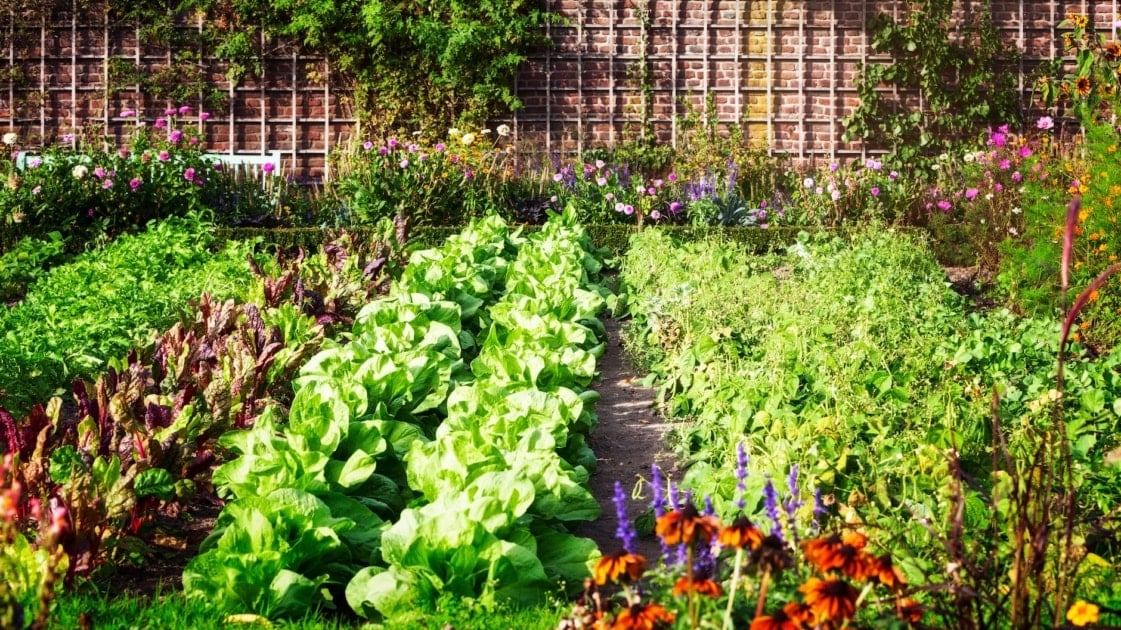
Do you want to grow a healthy and productive garden? If so, you should consider using companion planting. Companion planting is a gardening technique that involves planting certain types of plants together to benefit each other. For example, some plants can help to repel pests, while others can help to improve the flavor of your vegetables.
The Farmers' Almanac has a comprehensive companion planting chart that can help you to choose the right plants for your garden. This chart lists which plants are good companions for each other, as well as which plants should be avoided.
To learn more about companion planting and to see the Farmers' Almanac companion planting chart, visit Gardenia Inspiration.
FAQ of farmers almanac companion planting chart
Q: What is companion planting?
A: Companion planting is the practice of planting certain types of plants together in order to benefit each other. Some plants can help to repel pests, attract beneficial insects, or improve the flavor of other plants.
Q: What are the benefits of companion planting?
A: There are many benefits to companion planting, including:
- Reduced pest problems
- Increased pollination
- Improved flavor
- Increased yields
- Reduced soil erosion
- Increased biodiversity
Q: How do I use the Farmers' Almanac companion planting chart?
A: The Farmers' Almanac companion planting chart lists which vegetables and flowers are good companions for each other. To use the chart, simply find the vegetable or flower that you want to plant and then look at the list of companions. These are the plants that you should plant near your chosen plant.
Q: What are some of the best companion plants?
A: Some of the best companion plants include:
- Basil: Basil is a good companion for many vegetables, including tomatoes, peppers, and cucumbers. It helps to repel pests and improve the flavor of other plants.
- Marigolds: Marigolds are another good companion plant for many vegetables. They help to repel pests and attract beneficial insects.
- Beans: Beans are a good companion plant for corn. They help to fix nitrogen in the soil, which benefits the corn.
- Lettuce: Lettuce is a good companion plant for carrots. It helps to deter pests from the carrots.
- Onions: Onions are a good companion plant for many vegetables, including tomatoes, peppers, and potatoes. They help to repel pests and improve the flavor of other plants.
Image of farmers almanac companion planting chart
5 different images of "farmers almanac companion planting chart" from pinterest.com:
- Image of a companion planting chart for tomatoes, peppers, and eggplants. The chart shows which plants are good companions for these vegetables, and which plants should be avoided.
- Image of a companion planting chart for herbs. The chart shows which herbs are good companions for each other, and which herbs should be avoided.
- Image of a companion planting chart for flowers. The chart shows which flowers are good companions for each other, and which flowers should be avoided.
- Image of a companion planting chart for vegetables. The chart shows which vegetables are good companions for each other, and which vegetables should be avoided.
- Image of a companion planting chart for all types of plants. This chart is more comprehensive than the others, and it shows which plants are good companions for all types of plants.

Post a Comment for "The Farmers' Almanac Companion Planting Chart: The Ultimate Guide To Growing A Healthy And Productive Garden"